
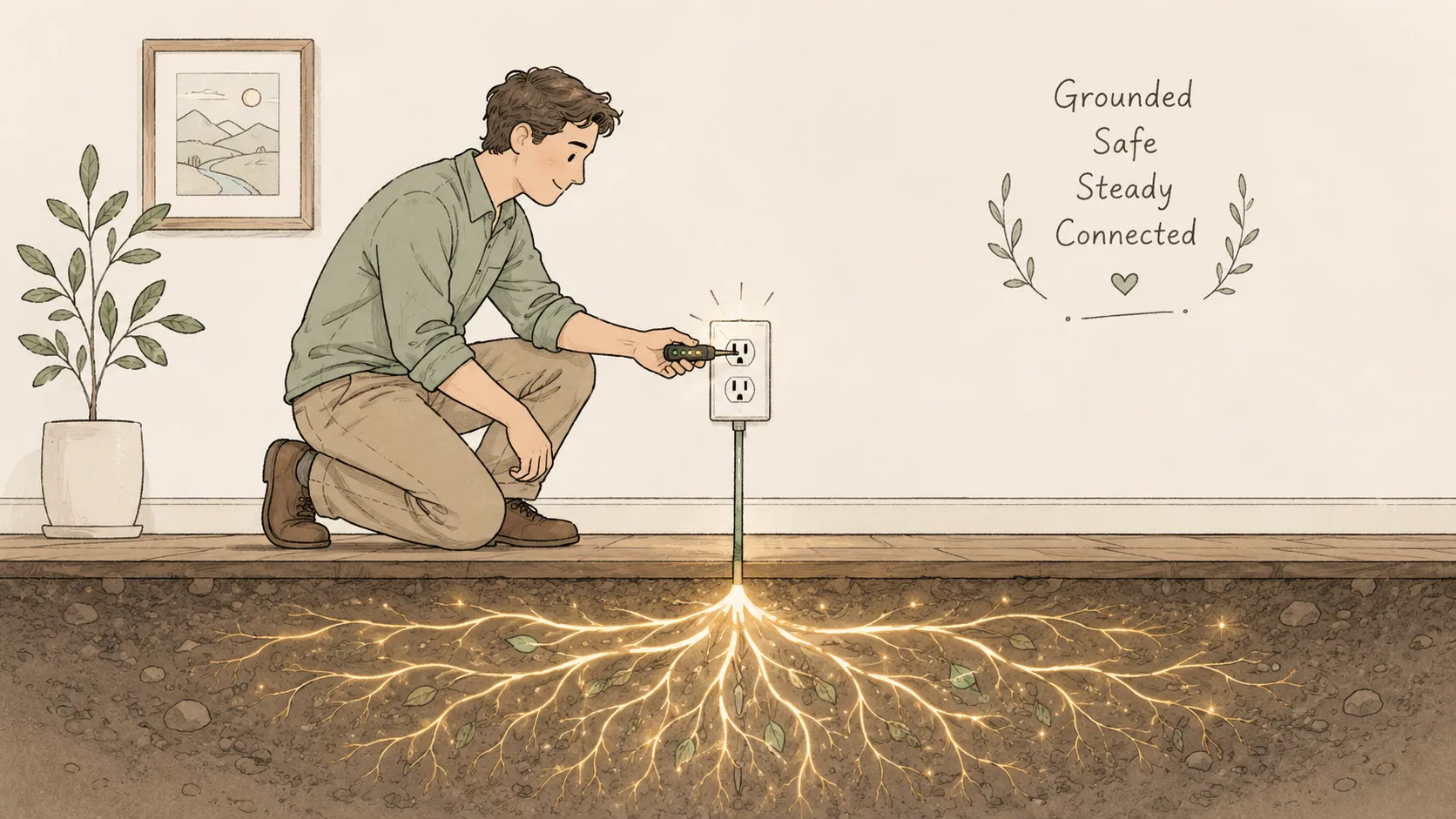
Electricity is one of those things most people barely think about until something goes wrong. You plug in a coffee maker, charge your phone, or switch on a lamp without giving the outlet a second glance. But behind that little plastic wall plate is an entire safety system working quietly in the background. One of the most important parts of that system is grounding. If an outlet is not properly grounded, your home may still appear to function normally while hiding a serious electrical hazard.
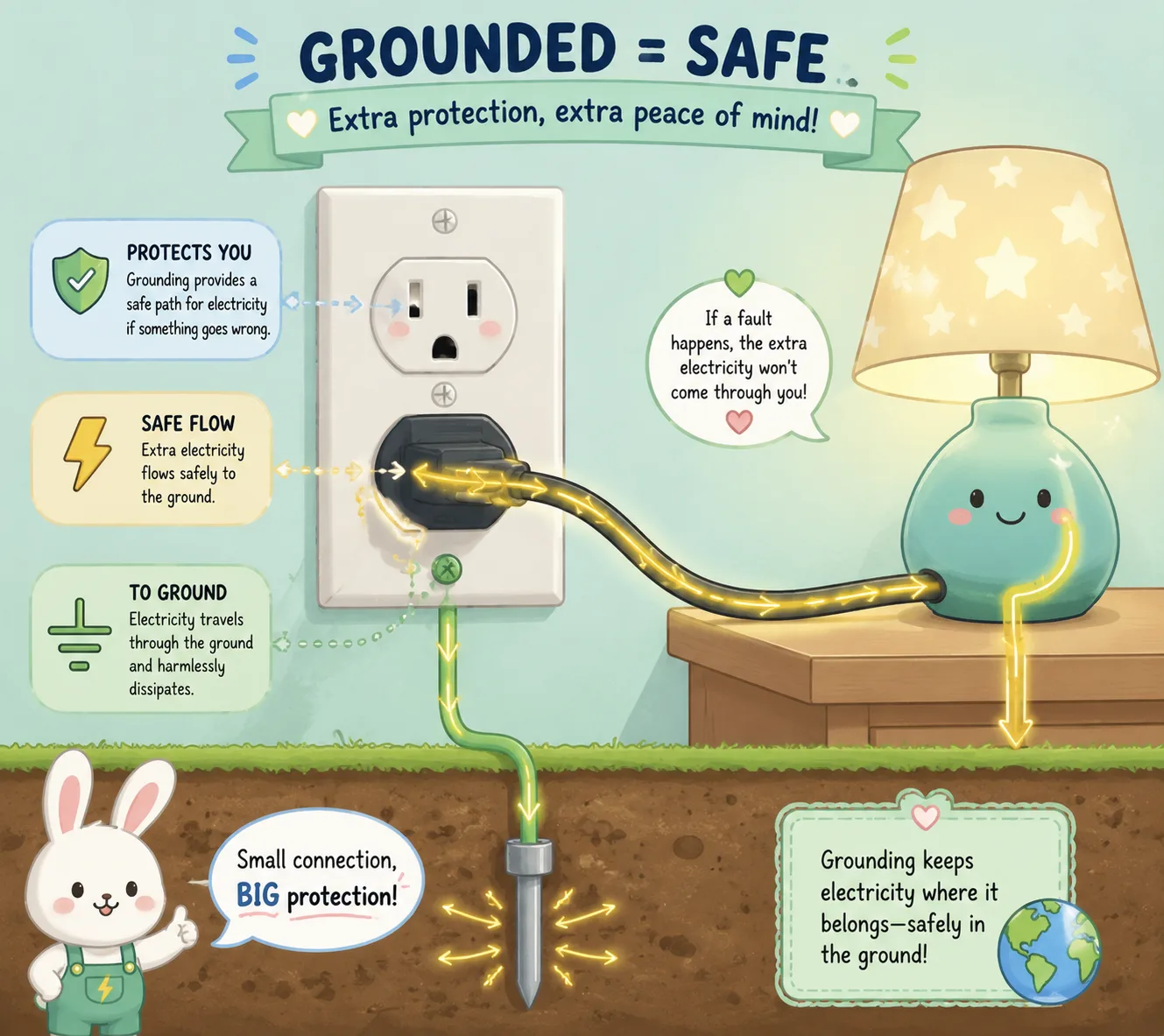
A grounded outlet gives dangerous stray electricity a safe path to travel during a fault. Without that path, electricity can move through appliances, metal surfaces, or even your body. That is why electricians, inspectors, and safety organizations take grounding so seriously. According to electrical safety experts, improper or insufficient grounding contributes to a significant number of electrical injuries and fatalities every year.
The tricky part is that many homeowners assume a three-prong outlet automatically means the outlet is grounded. That assumption can be dangerously wrong. In many older homes, two-prong outlets were later swapped with three-prong receptacles without adding a real ground wire behind the wall. The outlet looks modern and safe on the outside, but internally it may still lack proper grounding protection. Think of it like installing a seatbelt buckle in a car without attaching the belt itself. It looks complete, but it cannot actually protect you when something goes wrong.
This guide walks through exactly how to know if an outlet is grounded, what warning signs to look for, how to test outlets safely, and what solutions exist if your home has ungrounded receptacles. Whether you own an older house, recently failed a home inspection, or simply want to protect your family and electronics, understanding grounding is one of the smartest safety upgrades you can make.
Why Grounding Matters for Electrical Safety
What Electrical Grounding Actually Does
Grounding is essentially a backup escape route for electricity. Under normal conditions, electrical current flows from the hot wire to your appliance and returns through the neutral wire. The ground wire usually carries no electricity at all during regular operation. Its entire purpose is emergency protection. If a fault develops inside an appliance and electricity touches a metal surface, the ground wire provides a low-resistance path back to the electrical panel so the breaker can trip quickly.
Without grounding, that dangerous electrical energy has nowhere safe to go. Imagine pressure building inside a pipe with no release valve. Eventually, the pressure bursts out somewhere unexpected. Electricity behaves in a similar way. If an outlet is not grounded and a fault occurs, the electrical current may travel through anyone touching the appliance. Even a relatively small amount of electrical current passing through the body can cause severe injury or death. Safety organizations report that as little as 10 milliamps across the chest can disrupt heart rhythm.
Grounding also protects expensive electronics. Surge protectors, computer power supplies, televisions, and modern appliances rely heavily on a proper grounding system to redirect voltage spikes safely away from sensitive internal components. Without grounding, power surges from storms, utility fluctuations, or internal faults can damage electronics permanently. That means ungrounded outlets create both a personal safety issue and a financial risk.
One reason grounding problems are so dangerous is because they are often invisible. An ungrounded outlet may appear completely normal for years. Lamps still work. Chargers still charge. The danger only becomes obvious when something fails. Unfortunately, electrical failures rarely give polite warnings before becoming serious.
Real Risks of an Ungrounded Outlet
Many homeowners underestimate the risks because they have lived with old outlets for decades without an incident. That thinking is a little like driving on bald tires and assuming they are safe simply because you have not crashed yet. Electrical safety systems exist precisely because faults are unpredictable.
One major danger is electric shock. If a metal-framed appliance develops an internal short and the outlet lacks grounding, touching the appliance can expose someone directly to live current. This is especially hazardous in kitchens, bathrooms, basements, garages, and outdoor areas where moisture lowers the body’s resistance to electricity.
Another issue involves fire hazards. Fault currents that cannot safely trip breakers may continue arcing or overheating wiring behind the wall. Over time, loose or improper wiring can generate enough heat to damage insulation or ignite nearby materials. Electrical contractors frequently warn that inadequate grounding contributes to dangerous fault conditions in residential systems.
Ungrounded outlets also create problems for modern electronics. Computers, gaming systems, home theaters, smart appliances, and EV chargers often expect a functioning ground connection. Some devices may refuse to operate properly without it. Others may technically work but remain vulnerable to power surges and internal damage. Many homeowners discover grounding issues only after surge protectors fail to function correctly or outlet testers reveal an “open ground” condition.
Simple Visual Clues Around the Outlet
Two-Prong vs Three-Prong Receptacles
The fastest visual clue is the outlet shape itself. A standard grounded outlet normally has three openings: hot, neutral, and ground. Older ungrounded outlets usually have only two vertical slots. If you see two-prong outlets throughout the house, there is a strong chance the electrical system lacks grounding entirely.
Still, the presence of three holes does not guarantee safety. Many older homes had three-prong outlets installed as cosmetic upgrades without adding actual grounding conductors behind the walls. This creates a false sense of security because the outlet appears modern while remaining electrically unsafe. Home inspectors regularly encounter these fake-ground situations during inspections of homes built before the 1960s.
Pay attention to labels too. Some outlets may include stickers reading “GFCI Protected” or “No Equipment Ground.” These labels indicate the outlet may have shock protection through a GFCI device but still lacks a physical grounding conductor. That setup can be code-compliant in certain situations, but it is not the same as a fully grounded outlet.
Another clue involves the home’s age. Houses built before modern grounding requirements became common are more likely to contain ungrounded branch circuits. Knob-and-tube wiring systems and older two-wire cable installations often lack dedicated ground conductors entirely.
Warning Signs of Poor Wiring
Visual clues sometimes extend beyond the outlet shape itself. Discolored outlet covers, scorch marks, buzzing sounds, warm faceplates, or flickering devices may indicate deeper wiring problems behind the wall. Loose connections, overloaded circuits, or improperly bonded wires can all create hazardous conditions.
If outlets feel loose when plugging something in, that can indicate worn receptacles or poor installation. Cracked faceplates may also expose wiring to dust or moisture. While these signs do not automatically mean grounding problems exist, they often accompany aging electrical systems that deserve professional inspection.
You may also notice adapters attached to older outlets. Those little gray “cheater plugs” that convert three-prong plugs into two-prong outlets are common in older homes. Unfortunately, many people use them incorrectly. Unless the adapter is properly connected to a grounded metal box, it does not create real grounding protection.
One especially dangerous issue is the so-called “bootleg ground.” This occurs when someone improperly connects the ground terminal to the neutral wire inside the outlet to fool testers into showing a correct reading. It may appear functional temporarily, but it creates shock hazards and violates electrical codes. Electricians strongly discourage this shortcut because it can energize appliance frames during faults.
Testing the Outlet With a Plug-In Tester
How Outlet Testers Work
A plug-in outlet tester is one of the easiest and cheapest ways to check outlet grounding. These small devices typically cost less than a dinner out and can instantly reveal several common wiring issues. They plug directly into the receptacle and use light patterns to indicate whether the outlet is wired correctly.
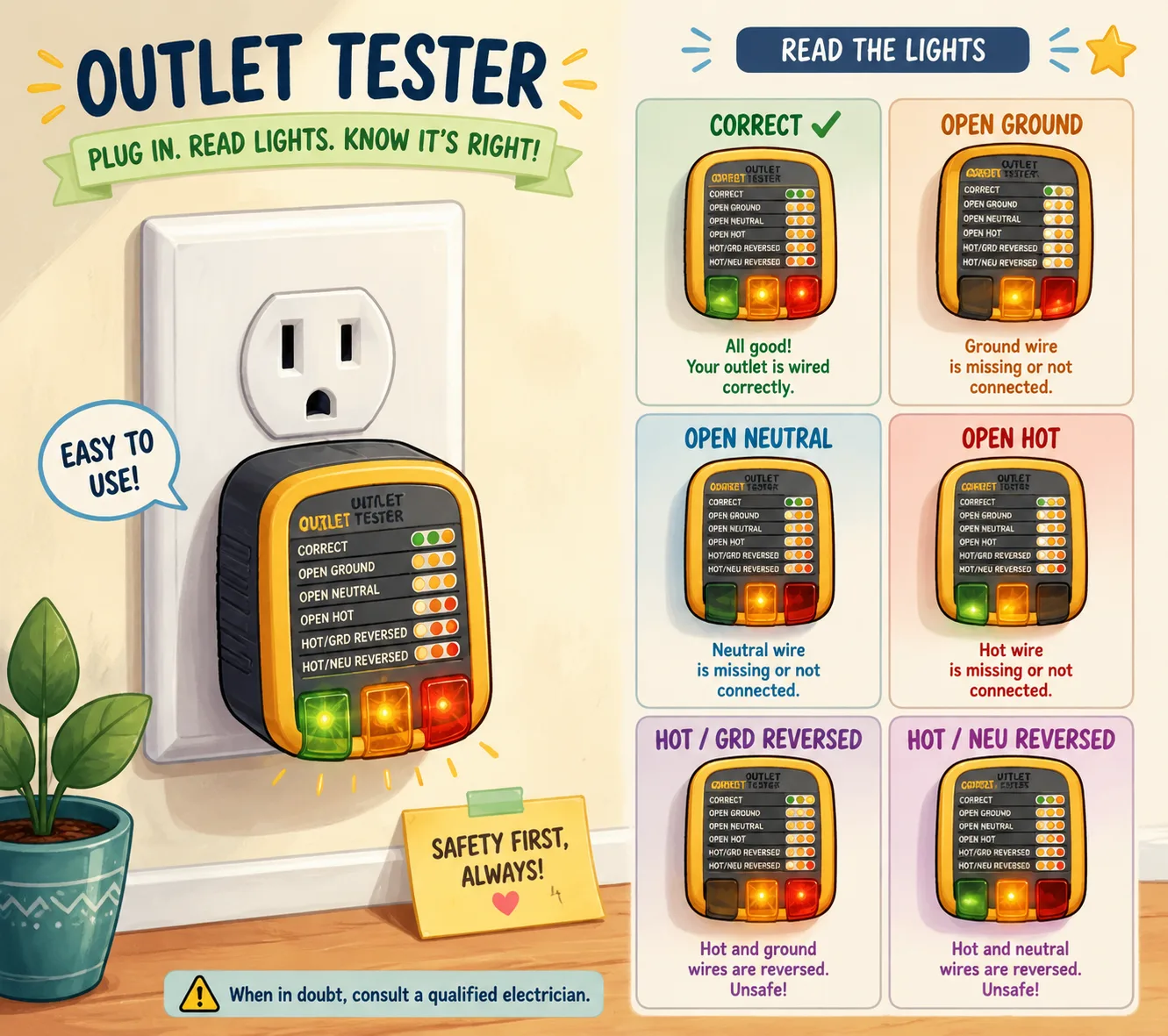
Most testers contain three indicator lights. Different combinations of illuminated lights correspond to conditions like “correct wiring,” “open ground,” “open neutral,” or “reversed polarity.” While they are not perfect diagnostic tools, they provide a quick first step for homeowners trying to evaluate outlet safety.
Using one is incredibly simple. Plug the tester into the outlet and compare the light pattern against the chart printed on the device. If the tester indicates “open ground,” it means the outlet’s grounding path is missing or interrupted somewhere in the circuit.
Electricians often recommend testers because they help uncover hidden problems in homes where outlets appear visually normal. Many homeowners are shocked to discover entire rooms testing as ungrounded despite having modern-looking receptacles.
Understanding Common Tester Readings
What “Open Ground” Means
An “open ground” reading means the outlet’s grounding path is incomplete. Somewhere between the receptacle and the electrical panel, the ground conductor is disconnected, damaged, missing, or improperly installed.
This does not necessarily mean the outlet will stop working. In fact, most open-ground outlets still supply power normally. That is what makes them deceptive. Devices operate, lights turn on, and nothing seems obviously wrong until a fault occurs. During that fault, the missing ground connection prevents breakers from responding properly.
Open grounds commonly appear in older homes where grounding wires were never installed originally. They can also result from loose wire connections, damaged cables, improperly replaced outlets, or interrupted grounding paths inside junction boxes.
Other Fault Codes You Might See
Outlet testers can reveal additional issues beyond grounding problems. “Open neutral” means the return path for current is disconnected. “Hot/neutral reverse” indicates polarity errors where wires are connected backward. “Open hot” means the outlet lacks incoming power altogether.
Some readings require careful interpretation. GFCI-protected outlets without actual equipment grounding may still behave differently depending on the tester design. Certain testers can also struggle with complex wiring arrangements or bootleg grounds. That is why professional electricians often follow up with multimeter testing and physical inspection when diagnosing electrical systems.
Using a Multimeter to Confirm Ground Connection
Safe Steps Before Testing
A multimeter gives more detailed information than a simple outlet tester, but it also requires more caution. If you are uncomfortable working around electricity, hiring a licensed electrician is the safest option. Electricity deserves respect. One careless mistake can result in serious injury.
Before testing, inspect the meter leads for damage and ensure the multimeter is set to AC voltage. Avoid touching exposed metal probe tips during measurements. Stand on a dry surface and keep one hand away from conductive materials whenever possible.
To test grounding, place one probe into the hot slot and the other on the ground opening. A properly grounded outlet should show roughly the same voltage as the hot-to-neutral measurement, usually around 120 volts in standard North American systems. If the hot-to-ground reading is significantly lower or absent, grounding problems likely exist.
You can also test continuity with power disconnected, though that procedure becomes more advanced and may require opening the outlet box. At that point, most homeowners are better served by professional help.
Voltage Readings That Indicate Proper Grounding
A healthy outlet generally produces consistent readings between hot-neutral and hot-ground measurements. If hot-neutral reads 120 volts but hot-ground reads zero or fluctuates wildly, the ground path is likely open.
Multimeters can also help identify loose connections or intermittent faults that outlet testers might miss. For example, an outlet may occasionally show correct grounding until vibration or movement interrupts a weak connection behind the wall.
Some metal outlet boxes may themselves provide grounding if connected through metal conduit systems. In older apartment buildings or commercial properties, conduit sometimes acts as the grounding path instead of a dedicated wire. That is why interpreting readings can become complex without understanding the home’s wiring method.
What an Open Ground Reading Really Means
Hidden Dangers Behind a False Ground
The phrase “open ground” sounds technical and harmless, but the underlying issue can be extremely dangerous. It means the safety system designed to protect people during faults is incomplete. Think of a smoke detector with dead batteries. It looks fine mounted on the ceiling, but it cannot perform its job when an emergency happens.
When an appliance experiences an internal short circuit, grounded systems direct fault current safely away and trigger breaker protection rapidly. Open-ground systems may leave metal surfaces energized instead. That means touching a faulty appliance could expose someone directly to dangerous voltage.
Home inspectors frequently warn buyers about open-ground outlets because they indicate either outdated wiring or improper electrical modifications. In some cases, homeowners replaced two-prong receptacles with three-prong outlets simply for convenience without upgrading the actual wiring behind the walls.
Why Electronics and Surge Protectors Can Fail
Many people assume surge protectors guarantee safety, but surge protection relies heavily on proper grounding. Without grounding, surge protectors cannot redirect excess voltage effectively. The strip may still power devices, but the protection itself becomes compromised.
Modern electronics are especially sensitive to electrical irregularities. Computers, televisions, gaming consoles, networking equipment, and EV charging systems often expect proper grounding. Some EV chargers even refuse to operate when open grounds are detected.
An ungrounded outlet can also create subtle long-term damage. Tiny surges and electrical noise may slowly degrade internal components over time. Electronics might fail prematurely without any obvious catastrophic event.
Older Homes and Missing Ground Wires
Why Older Electrical Systems Often Lack Grounds
Homes built before grounding became standard frequently contain two-wire branch circuits without dedicated grounding conductors. Back then, electrical demand was much lower. Families did not own massive entertainment systems, computer networks, smart appliances, or EV chargers.
As electrical codes evolved, grounding became recognized as a critical safety feature. Modern codes now require grounding in nearly all residential circuits. Older homes, however, were often grandfathered under previous standards unless major renovations occurred.
That leaves many homeowners in a tricky situation. The house may still technically function, but it does not meet modern expectations for electrical safety. This is incredibly common in homes built during the 1940s, 1950s, and earlier.
Common Upgrade Mistakes in Vintage Homes
One widespread mistake involves swapping two-prong outlets for three-prong receptacles without adding ground wiring. Homeowners sometimes do this simply because modern appliances require three-prong plugs. Unfortunately, appearance alone does not create actual protection.
Another issue involves partial upgrades. A home may have grounded wiring in renovated kitchens or bathrooms while bedrooms and living rooms remain ungrounded. This patchwork system can confuse homeowners because some outlets test correctly while others fail.
DIY electrical work also contributes heavily to hidden hazards. Loose wire nuts, missing bonding connections, improperly shared neutrals, and bootleg grounds appear surprisingly often in older properties.
Common Wiring Problems Hidden Behind the Outlet
Loose Ground Connections
Grounding problems are not always caused by missing wires. Sometimes the ground wire exists but becomes disconnected over time. Vibration, corrosion, poor installation, or remodeling work can interrupt grounding continuity.
Loose grounding screws inside metal boxes are especially common. Renovations involving drywall replacement or outlet movement sometimes disturb wiring enough to break connections. Rodents, moisture damage, and age-related deterioration can also contribute.
Because the outlet still delivers power normally, homeowners rarely notice these issues until testing reveals them.
Bootleg Grounds and Unsafe DIY Fixes
Bootleg grounds deserve special attention because they create deceptive and dangerous conditions. This improper technique connects the outlet’s ground terminal directly to the neutral conductor, tricking certain testers into showing “correct wiring.”
The problem is that neutral wires normally carry current during operation. Under certain fault conditions, metal appliance frames can become energized unexpectedly. That transforms appliances into shock hazards rather than protecting users.
Licensed electricians strongly discourage these shortcuts. Electrical safety systems work as complete systems, not improvised patches. Trying to fake grounding is like painting over a rusted bridge instead of repairing the steel underneath.
Safe Solutions for Ungrounded Receptacles
Installing GFCI Protection
One common code-approved solution involves installing GFCI protection on ungrounded circuits. A Ground Fault Circuit Interrupter (GFCI) monitors current imbalance between hot and neutral conductors and shuts off power rapidly if leakage occurs.
GFCIs do not create an actual equipment ground, but they significantly improve shock protection. Electrical codes allow certain ungrounded outlets to be replaced with GFCI receptacles if properly labeled “No Equipment Ground.”
This approach is often used in older homes where complete rewiring would be expensive or impractical. While GFCIs improve personal safety dramatically, they still do not provide the same surge protection benefits as true grounding.
Rewiring the Circuit the Right Way
The best long-term solution is installing proper grounded wiring throughout the circuit. This may involve running new cable from the electrical panel or upgrading entire branch circuits during renovations.
Rewiring costs more upfront, but it provides the highest level of safety and compatibility with modern electronics. It also improves home value and helps properties meet modern code expectations.
Professional electricians can evaluate whether metal conduit systems already provide grounding paths or whether entirely new wiring is necessary. In some homes, adding grounding may be simpler than expected. In others, especially with finished walls and older construction methods, the process becomes more extensive.
Either way, grounding is not an area where shortcuts make sense. Electrical systems are like parachutes; you only discover whether they truly work during emergencies.
Conclusion
Knowing whether an outlet is grounded is far more important than most homeowners realize. Proper grounding protects people from shock, helps prevent electrical fires, and safeguards modern electronics from damage. The challenge is that grounding problems often remain invisible until a dangerous fault occurs.
Visual clues like two-prong outlets, old wiring, and missing labels can hint at trouble, but real confirmation usually requires testing. Plug-in outlet testers offer a fast first step, while multimeters provide deeper diagnostic information. An “open ground” reading means the outlet lacks a reliable safety path, even if it still powers devices normally.
Older homes commonly contain ungrounded wiring systems, and improper upgrades sometimes create fake three-prong outlets that only appear safe. Loose connections, bootleg grounds, and hidden wiring defects can all compromise electrical safety behind the walls.
The safest solutions involve either installing GFCI protection where permitted or upgrading wiring to include true equipment grounding conductors. When in doubt, a licensed electrician can inspect the system properly and recommend the best path forward. Electrical safety is not just about convenience; it is about protecting lives, homes, and everything plugged into those little outlets we use every day.
FAQs
1. Can a three-prong outlet still be ungrounded?
Yes. Many older homes have three-prong outlets installed without actual grounding wires behind them. The outlet may look modern but still fail grounding tests.
2. Is an open ground outlet dangerous?
Yes. Open-ground outlets can increase shock risk, reduce surge protection effectiveness, and create unsafe fault conditions during electrical failures.
3. Will a GFCI outlet fix grounding problems?
A GFCI improves shock protection but does not create a true equipment ground. It is safer than an unprotected outlet but still lacks full grounding benefits.
4. How much does it cost to ground old outlets?
Costs vary depending on house construction and wiring accessibility. Installing GFCI outlets may cost significantly less than fully rewiring grounded circuits, which can become a larger renovation project.
5. Should I replace two-prong outlets myself?
Replacing outlets without understanding the wiring system can create dangerous conditions. If the circuit lacks grounding, simply installing three-prong outlets may violate code and create hidden hazards. Professional evaluation is strongly recommended.

Colt Marlowe is a 29-year-old American content writer based in Boise, Idaho. He specializes in technology, digital tools, and online business topics, combining years of research with practical experience to produce clear, trustworthy articles. As a contributor to wirelogic.online, he focuses on creating well-researched, reader-friendly content that emphasizes accuracy, transparency, and long-term value for audiences seeking reliable information.